DeedCheck Local · Cook County 101
A homeowner found out their house was listed. They never signed anything.
It happened close to home. Here is the four-step check so you are not the last to know about your own property.
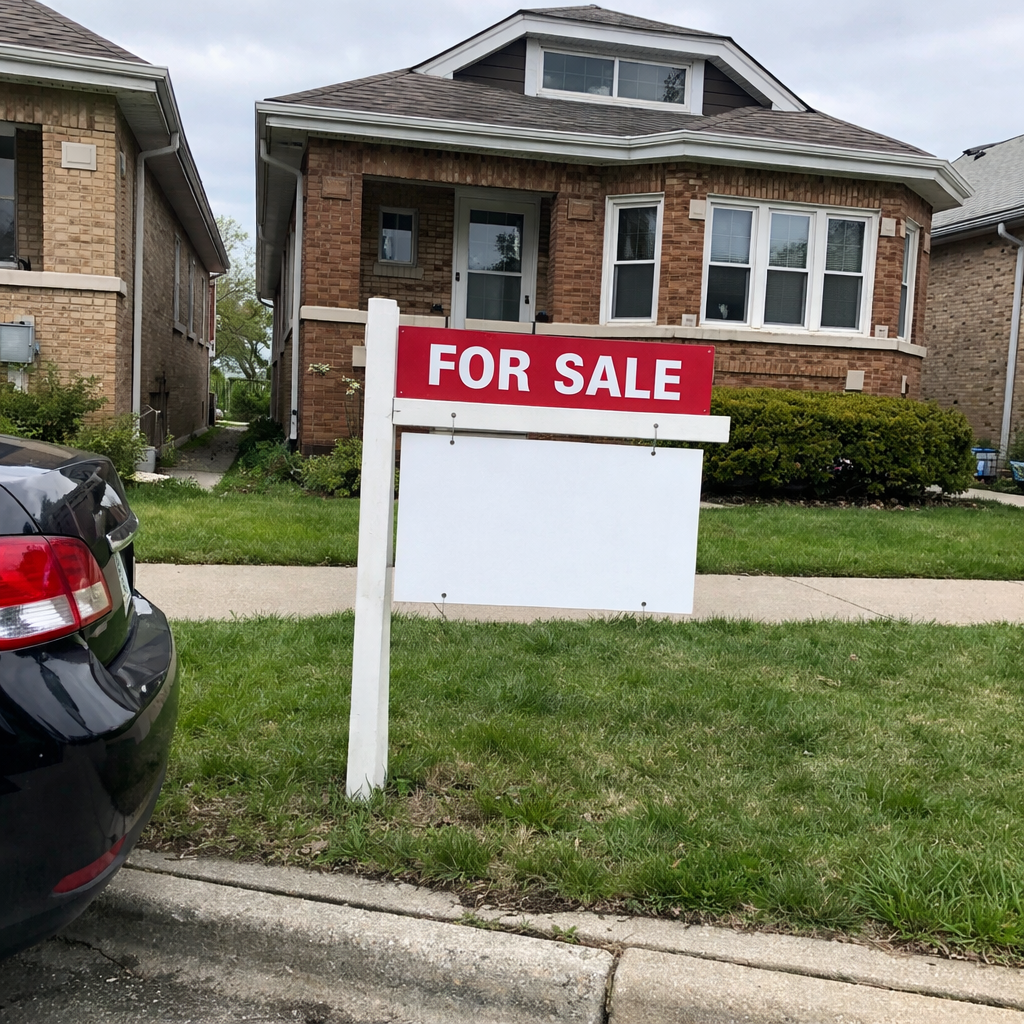
Illustrative example. Not a photo of any specific property described below.
The stories that stick are the local ones. Not a headline from across the country, but something that happened a few towns over. In Burbank, local reporting described a property that was allegedly sold using a forged deed. The detail that unsettles people is not the forgery. It is the timeline: paperwork can move, and the person whose name is on the house can be the last to find out.
It is not only here. In a federal case out of St. Louis, prosecutors documented guilty pleas tied to at least 14 properties. An Arizona landowner told a TV station he discovered his land had been sold only when a closing letter landed in his mailbox. Different places, same shape: a record changed, and the owner learned about it late.
What actually happened, in plain terms.
We will keep to what public reporting supports and not dress it up. A deed is a document that moves a property from one name to another. When one is recorded, the county indexes it and it becomes part of the public record for that parcel. The cases above involve filings that should not have happened. The lesson for the rest of us is simpler and more useful: your property has a record, that record can change, and checking it is something you control.
Why “someone would tell me” is the trap.
People assume a change to their property would trigger a phone call. Usually it does not. Filings are recorded on the county’s schedule, and the homeowners most exposed are often the ones least likely to be watching: paid off, long settled, not thinking about paperwork at all. Waiting to be notified is not a plan. Looking is.
Check your own record in four steps, free.
You do not need to buy anything to do a basic check. Here is the path:
- Find your PIN. It is on your tax bill, or look it up by address on the Cook County Assessor site.
- Search the recorder index by PIN. This lists what has been recorded against your property, newest first.
- Open the latest deed. Check the names, the deed type, and the recording date against what you expect.
- Note two dates. The date you checked and how current the index is, so you know what the result covers.
If it is clean and clear, you are done, at no cost. The free self-check guide below includes the exact links.
When a dated, human-reviewed report earns its $14.95.
The free search is enough until the record is confusing: multiple PINs, a condo, a trust, an ambiguous name, or a very recent filing. That is when a second set of eyes is worth it. DeedCheck Local is a person pulling your record and sending one plain, dated document: the names on the latest deed we could verify, the deed type, the recording date, and how current the index was on the day we checked. If a result is inconclusive, we tell you plainly. We never turn a missed result into reassurance. One payment, no subscription.
Your Cook County deed check
A human reads your record and sends one dated report. Free self-check guide included.
Not title insurance or legal advice. The free Cook County public lookup is always available on its own.
The reporting behind this story
The Burbank case was described in local coverage by the Riverside-Brookfield Landmark. The St. Louis guilty pleas were documented by the U.S. Department of Justice. The Arizona account was reported by KOLD News. Illinois Attorney General guidance separately warns homeowners about property and deed scams.
These are examples from public reporting. They do not establish how common this is, and nothing here is a claim about any specific reader’s property.
The 30-second version
- A local case shows the pattern: a record changes and the owner finds out late.
- No one reliably calls you. Checking is something you control.
- You can check your Cook County record free in four steps.
- Or get a dated, human-reviewed report for $14.95, one payment.
Questions people ask
Is my home actually at risk?
We cannot say that, and we will not imply it. The stories here are examples from public reporting, not a measure of risk for any specific home. What we offer is a dated look at what your record shows, so you are deciding from facts rather than fear.
Can I just check it for free?
Yes, and we show you how on this page. You are paying for a person to pull and read your record and hand you one plain, dated document when you would rather not do it yourself or the index is confusing.
What is in the report?
The names on the latest deed we could verify, the deed type, the recording date, and how current the index was on the day we checked. It is dated public-record evidence, not title insurance and not legal advice.
If something looks wrong, what do I do?
Take the dated report to a licensed attorney or title professional. We provide the record evidence; legal ownership questions and disputes belong with a professional.
Is there a subscription?
No. One $14.95 report, no recurring charge.